Piano Pedals – Look Out for the Half-Pedal Function!
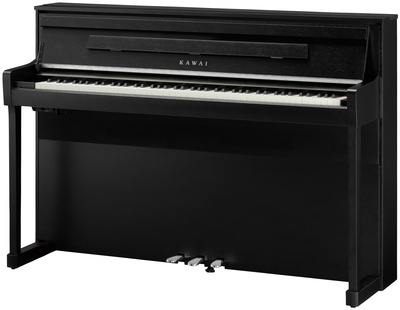
The number of pedals can vary depending on the type of piano (stage piano, portable piano, etc.) However, most digital upright pianos have three pedals, as you would find on a grand piano (from left to right):
- Soft: Also known as the una corda pedal, it makes the sound softer and quieter.
- Sostenuto: A special sustain function that affects the notes as you play them.
- Sustain: The sustain pedal (also known as the forte or damper pedal) is the most important piano pedal. It allows all notes on the piano to decay freely at the same time.
You’ll use the sustain pedal much more frequently than the other two pedals. For this reason, it is perfectly acceptable for a beginner’s piano to come with only one pedal. Nonetheless, you should be aware of the following points:
Half Pedal Function: On acoustic pianos, the sustain pedal has fine gradations that vary the decay of the notes. A digital piano should ideally be able to replicate this typically acoustic expression. With an entry-level model, you may need to check to see if it allows this.
Sustain Pedal: Many portable pianos come with a simple foot switch as a sustain pedal. While this technically works just fine, it simply cannot convey an authentic piano feel. As these footswitches do not support the half-pedal function either, you should plan on purchasing a decent pedal with half-pedal capability along with the instrument.
Since piano pedals are an important expressive tool, an authentic feel is as important here as it is on the keyboard. On pianos and grand pianos, you’d feel a steadily increasing resistance as you depress the pedal. This may seem rather stiff to beginners at first, as it takes some getting used to.
This is less the case with entry-level models, but from the mid-range up you will find digital pianos equipped with terms such as “Grand Feel Pedal System” (Kawai), “Tactile Response System” or “Responsive Damper Pedal” (Yamaha).