ADVERTISEMENT

Damper Resonance: Playing Piano with String Resonance

  • Damper resonance occurs when you depress the damper pedal. It produces a rich, spatial sound and extends the duration of a note.
  • This expressive feature should not be missing from any digital piano.
  • Using damper resonance tastefully takes practice.
Damper Resonance
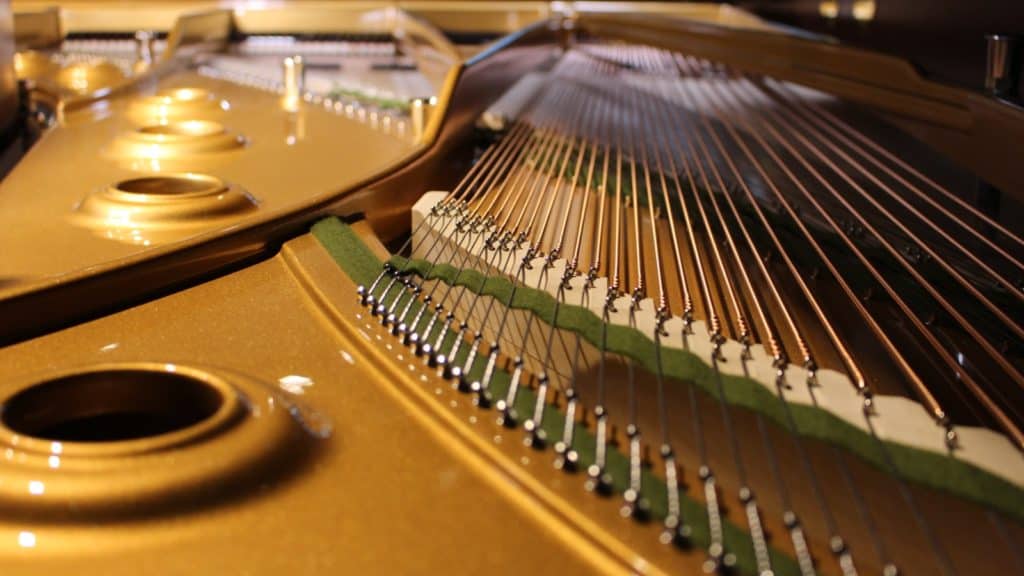
(Photo: Jörg Sunderkötter)
ADVERTISEMENT

Damper resonance occurs when all dampers are lifted off the strings while you play the piano. This type of string resonance is popular because it adds a lot of atmosphere to the overall sound, making it almost impossible to escape the magic of this complex reverb effect.

ADVERTISEMENT
ADVERTISEMENT

Damper Pedal and String Resonance

When you depress this pedal, all the strings of the piano can vibrate freely. When you then play a single note, it is enriched by the resonance of adjacent and related strings. The result is a rich tone with a kind of reverberation effect that can also harmonize a series of notes.

With tasteful use of damper resonance, you can create expressive sounds with your pedal.

The strongest resonances occur with notes whose overtones are in harmony with each other. If you play a middle C, it will resonate in the strings of other octaves. Moreover, other tones in the natural overtone series will also be quietly stimulated, such as the augmented fifth and the major third two octaves higher.

Using Damper Resonance Tastefully

The more notes you play while depressing the damper pedal, the more reverb you get. As a result, excessive use of this pedal will cause the notes to blend together, leading to a mushy sound. On the other hand, if you know how to use the damper resonance properly, you can create great sounds with the pedal.

There are several ways to combine notes with the damper pedal. You can immediately hear the difference in sound by either playing two consecutive notes directly into the pedal you are holding down or by depressing the pedal after the first note and then following up with the second note.

piano-pedals

The Damper Pedal in Sheet Music

While many scores clearly indicate the use of the damper pedal, in some cases, it is a matter of taste whether and how the pedal is used. For example, the damper pedal is a popular stylistic device for linking chordal accompaniments. At the same time, you can use it to create more “spatial” harmonies, riffs, and ornaments.

The dosage of the pedal effect is always important, so playing the pedal properly takes some practice. As a rule of thumb: Whenever there is a noticeable change in harmony, release the pedal for a moment and then depress it again with the new harmony.

Many digital pianos allow you to adjust the intensity of the damper resonance: Kawai Virtual Technician, Roland Piano Designer, Yamaha Virtual Piano Room /Smart Pianist.

Affiliate Links
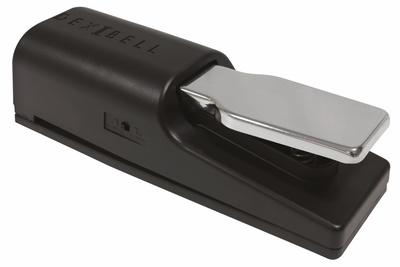
Dexibell DX CP1
Dexibell DX CP1
Customer rating:
(11)

Damper Resonance & Half Pedaling

Almost all digital pianos allow for nuanced pedal play. This means that the pedal effect is not simply switched on and off when the pedal is depressed. Instead, it reacts in fine nuances and allows for continuous modulation of the string vibration.

This type of playing is called “half pedaling”. Of course, if you’re playing a home piano with built-in piano pedals, you don’t need to worry about this. However, the digital piano function of the same name is important when playing a stage piano that uses an external pedal. In this case, it’s best to at least know the differences between sustain pedals.

Most portable pianos also support the half-pedal function – even if they come with a simple foot switch as a sustain pedal. In this case, you should plan to purchase a decent sustain pedal along with your instrument.

*Affiliate link. These “advertising links” help us finance our website. If you purchase a product through one of these links, we receive a small commission at no additional cost to you. The PIANOO.com team thanks you for your support!

ADVERTISEMENT

Related Articles

20.09.2025 · Buy Yamaha CLP-800 Series – Reviewing Clavinova Digital Pianos

In fall 2024, Yamaha announced the new CLP-800 series. The key refinements concern the sound generation and playback systems.

01.09.2025 · Buy Buyer’s Guide: A Portable Piano Under $2,000

With a scaled-down cabinet and speaker system, a portable piano under $2,000 offers a great keyboard and sound engine.

20.02.2025 · Buy Studiologic SL-mk2 Series – USB MIDI Controllers

The Italian manufacturer has introduced the new models of the Studiologic SL-mk2 series with new features and improved details.

20.02.2025 · Buy Speakers and Piano Sound: How Good Can Digital Pianos Really Sound?

Speakers and piano sound — does your digital piano sound better when you're using headphones? Find out why here.

13.02.2025 · Buy Kawai CN Series: CN-201 & CN-301

With their high-quality playability, the digital pianos in the Kawai CN series inspire both demanding beginners and advanced players.

09.02.2025 · Buy Product Review: Yamaha TransAcoustic Piano - Hybrid Piano

Piano or digital piano? The Yamaha TransAcoustic piano offers the best of both worlds. The perfect blend of acoustic and digital piano.

08.02.2025 · Buy Almost as Good as the Real Thing: Playing a Hybrid Digital Piano

Acoustic soundboard, grand piano action, and wooden keys: A hybrid digital piano combines maximum playing comfort with high-quality sound.

07.02.2025 · Buy Play Piano with Headphones: Hybrid Piano!

Play the piano with headphones - a hybrid piano combines an acoustic piano with a mute function and an electronic sound generation.

15.01.2025 · Buy Best Headphones for Digital Piano: Sound That Inspires

Buying high-quality headphones for digital piano: Why invest in good digital piano headphones and how much do they cost?

13.01.2025 · Buy Kawai ES Series: ES-920, ES520, ES-120, ES-60 – Portable Pianos

The Kawai ES Series is popular with beginners and advanced players alike: High-quality features at prices ranging from $400 to $1,200.

22.12.2024 · Buy Wireless MIDI: Play Piano or Keyboard Without Cables

Wireless MIDI systems are useful when the instruments themselves are not Bluetooth-compatible. But what makes a good Wireless MIDI adapter?

20.12.2024 · Buy Studiologic SL Series: SL73/88 Studio, SL88 Grand, SL|Mixface

The Studiologic SL series offers USB MIDI controllers with high-qualtiy hammer action keyboards for MIDI studio and live use.