ADVERTISEMENT

Casio CDP-S Series – Portable Pianos for Beginners

  • The Casio CDP-S Series is perfect for anyone looking for an affordable entry-level digital piano.
  • The series includes three models: the CDP-S110, CDP-S160SET, and CDP-S360.
  • All models feature a hammer action keyboard with ebony and ivory keytops—the best keyboard in this price range.
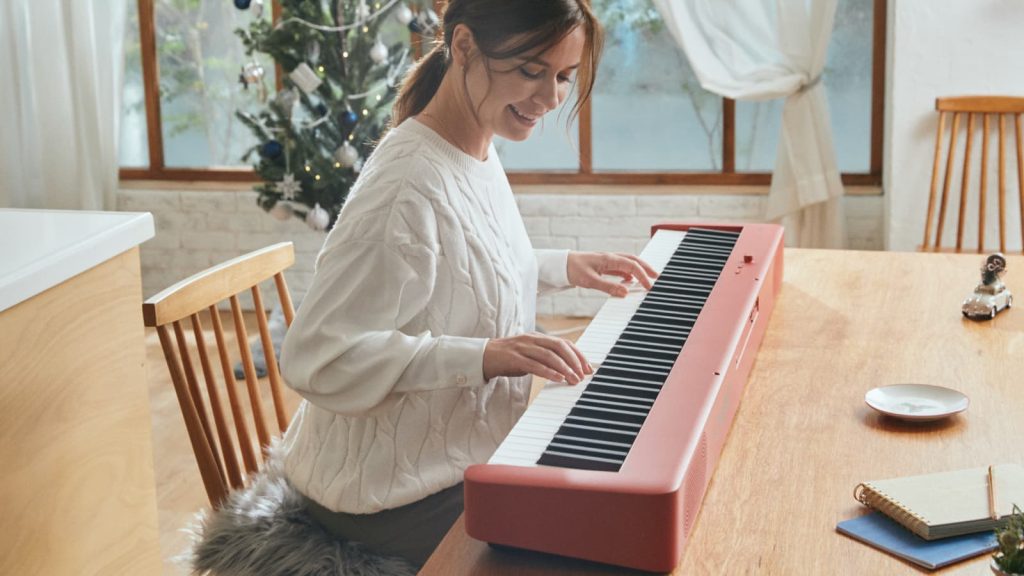
Casio CDP-S Series - Entry-Level Portable Pianos (Image Source: Casio)
(Image Source: Casio)
ADVERTISEMENT

The Casio CDP-S series is a line of very affordable digital pianos. Positioned below the Privia PX-S series, the CDP-S models are ideal for beginners and also serve as a budget-friendly second instrument for advanced players. In this article, we’ll explore the similarities and differences between the three models.

ADVERTISEMENT
ADVERTISEMENT

The name ‘Compact Digital Piano,’ or ‘CDP’ for short, perfectly captures the essence of this series. The three models are among the most compact and slim portable pianos Casio has ever created, featuring 88 weighted keys, hammer action, and built-in speakers. It’s remarkable how Casio has managed to create such a slim instrument without compromising on quality.

CDP-S: A Common Foundation

The current models in the CDP-S series are the CDP-S110, CDP-S160SET, and CDP-S360. All share the same chassis and keyboard, and each weighs less than eleven kilograms. Moreover, they feature a built-in playback system with dual 8-watt speakers—ample power for any living room setting.

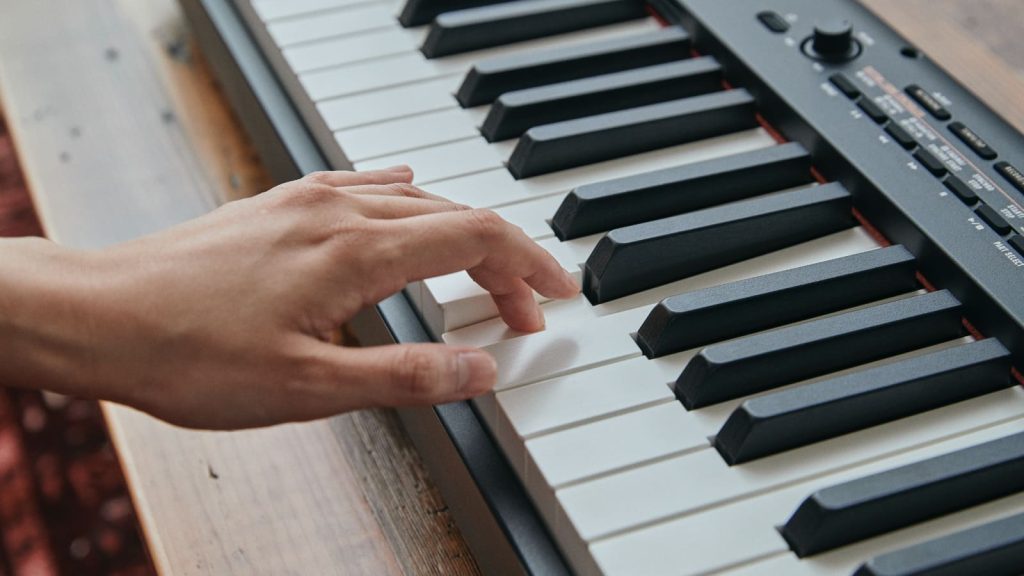
The keyboard on the CDP-S models is hard to beat in this price range. The graded hammer action and ebony/ivory keytops provide a good playing feel. (Image Source: Casio)

A High-Quality Keyboard

Casio’s 88-key keyboard, known as the “Scaled Hammer Action Keyboard II,” features a scaled hammer action with heavier keys in the bass and lighter ones in the treble. It also offers three touch sensitivity curves to match individual playing styles, while the ebony/ivory keytops enhance grip and playability. In the unanimous opinion of the PIANOO editorial team, it would be difficult to find a better keyboard in this price range.

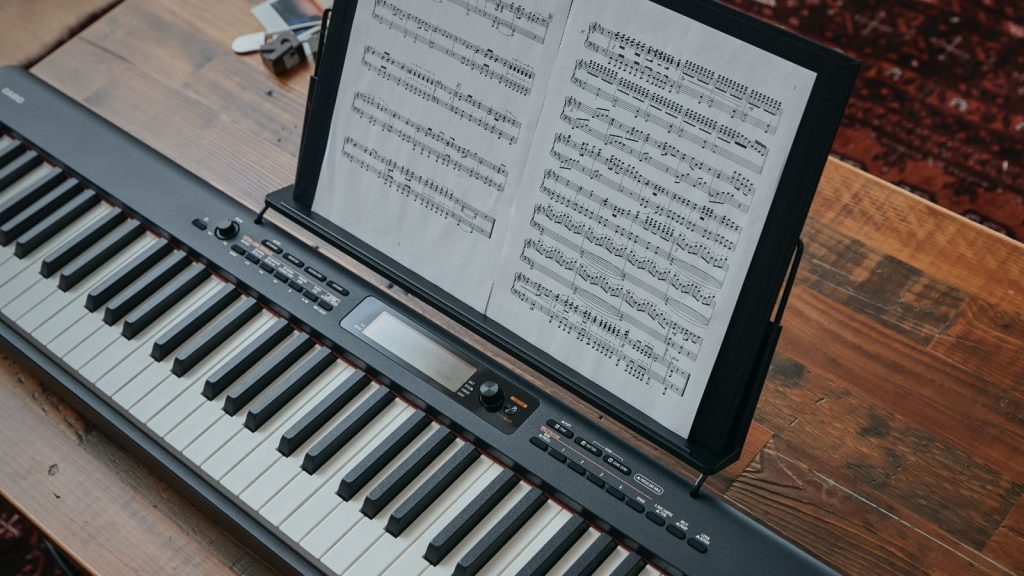
Each model in the CDP-S Series comes with a music stand. The picture shows the CDP-S360, recognizable by its large display and extensive control panel. (Image Source: Casio)

Minimal Connections

The Casio CDP-S series takes a minimalist approach to connectivity, omitting line outputs for external amplifier systems. To connect to a more powerful keyboard setup, you’ll have to use the single mini-jack headphone output.

On the plus side, each model has a mini-jack audio input for connecting devices such as an MP3 player, which allows you to play audio through the built-in speakers. Additionally, there’s a USB-MIDI port for connecting the CDP-S series to a computer, tablet, or smartphone.

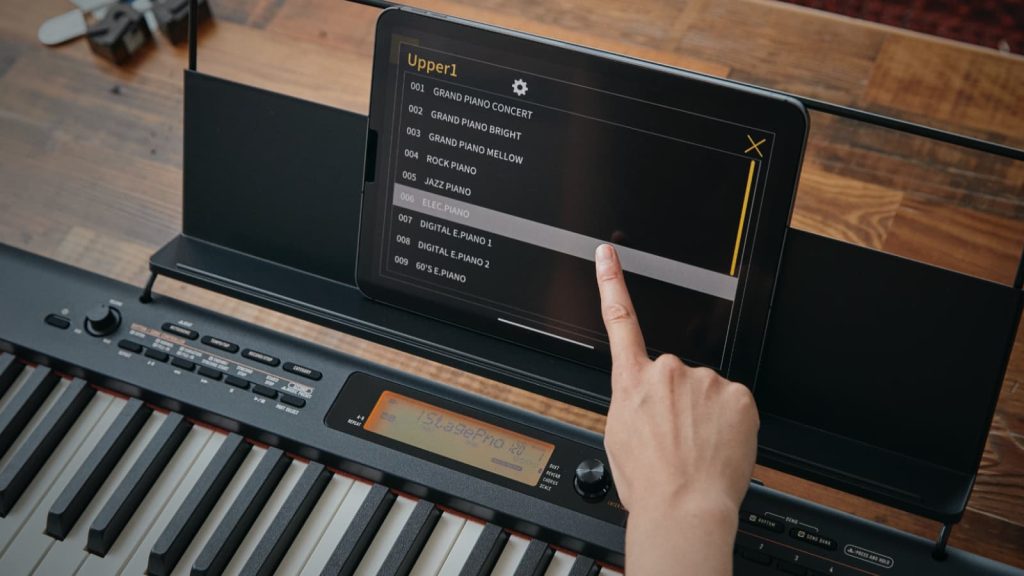
The free piano app (Android/iOS) makes the Compact Digital Pianos very easy to use. You can even remotely control all practice functions such as metronome, rhythm or recorder. (Image Source: Casio)

App for Piano Practice

The free Casio Music Space app enhances the user experience with its Piano Remote Controller section. Available for both Android and iOS, the app allows you to conveniently adjust all settings on the CDP-S160 from your mobile device. Additionally, it provides access to a wide selection of piano practice pieces. All models require a USB cable to connect your device to your instrument.

Differences between the Casio CDP-S Models

Casio has cleverly differentiated the three models in the CDP-S series. The CDP-S110, priced at just under $500, is an affordable portable pian with an excellent price/performance ratio. The CDP-S160SET, on the other hand, is designed as a compact digital piano solution. It is available in select locations, such as Germany, and is sold exclusively in a bundle with a three-pedal piano stand. The retail price is just around $800 (approx. £600/€700).

Meanwhile, the CDP-S360 offers the most comprehensive feature set. With 200 accompaniment styles and 700 sounds, you could even call it an arranger keyboard. Since this type of instrument is more likely to be used at rehearsals or performances than at home, Casio sells the S360 without a stand, bringing the price down to around $600. This makes it more affordable than the S160SET. Nevertheless, the same stand used for the S160SET is optionally available for the CDP-S360.

While an optional stand is also available for the CDP-S110, this one doesn’t include a triple-pedal unit—the entry-level model lacks the necessary port. If you buy either the CDP-S110 or CDP-S360, however, it’s worth investing in a proper sustain pedal, as Casio only includes a basic footswitch for the sustain function. While it may be sufficient to get started, it doesn’t really provide an authentic piano feel.

Casio CDP-S110 WH (Image Source: Casio)

The Casio CDP-S110

The CDP-S110 is the most affordable model in the CDP-S series, but still stands out for one unique feature: It comes not only in black but also in white. If you’re looking for a sleek white finish, this is your only option in Casio’s lineup.

Its features, however, focus on the essentials. The acoustic grand piano is the highlight among the ten available sounds, and it comes in three variations. The sample quality is solid, resulting in a highly dynamic sound. While the sustain can get a bit static towards the end, the overall sound remains impressive, especially considering the price.

In addition to three excellent digital piano sounds, the CDP-S110 offers a church organ, a Hammond-style jazz organ, a string sound, and a harpsichord. These sounds are further enhanced by echo and chorus effects, each with four variations. Although there is a layer function, it lacks a split function or duet mode. While the piano only has a 64-note polyphony, the built-in two-speaker system delivers a clear and well-balanced sound.

Conclusion: At just over $400, the Casio CDP-S110 is an excellent way to start your digital piano journey. Although it focuses on the essentials, it offers a solid grand piano sound and arguably the best keyboard in its price range. Connecting a mobile device improves usability and increases motivation to practice.

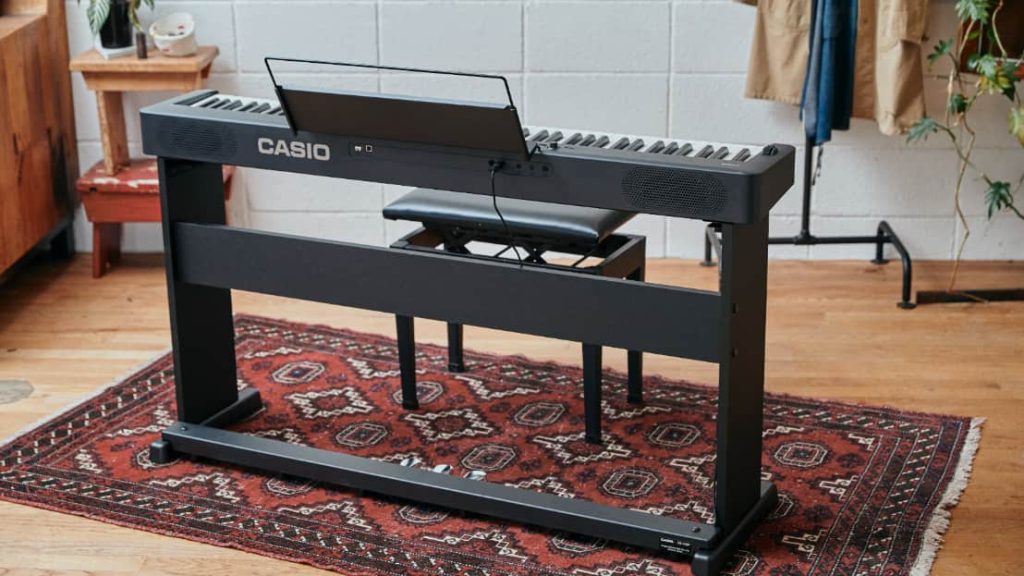
In Germany, the mid-range model is available only with a stand as the CDP-S160SET, making it one of the most affordable digital upright pianos.(Image Source: Casio)

Casio CDP-S160SET

The mid-range model of the CDP-S series, the CDP-S160, is available in both black and red. The differences between the CDP-S110 and CDP-S160 may be minimal, but Casio has managed to give the CDP-S160 a distinct profile: In Germany, for example, it’s only sold in a bundle with the CS-470P stand. The bundle is called CDP-S160SET.

A standout feature is the triple pedal unit integrated into the stand, offering soft, sostenuto, and sustain pedals. This essentially transforms the CDP-S160 into a compact home piano, with the only real difference being the lack of a keyboard cover. If you plan to transport the piano, you’ll need to remove four screws and disconnect the DIN connector for the pedal unit, a feature unique to the CDP-S160 compared to its smaller sibling. One thing to note: The CS-470P stand is only available in black, so keep that in mind if you’re eyeing the red version of the piano.

The CDP-S160 is identical to the S110 in terms of polyphony, sound selection, and effects, but packs a few extra features. It comes with a built-in MIDI recorder that allows you to record and listen to your performances, although it’s limited to one song and one track.

In addition, the CDP-S160 has a duet mode that splits the keyboard into two equal sections with the same grand piano sound—a helpful feature for piano lessons.

Conclusion: If you plan to use your CDP mainly at home and are willing to invest a bit more, the CDP-S160SET is a great choice. The fixed triple-pedal setup is a major advantage not only over the S110 but also over other portable pianos.

Flagship of the Casio CDP-S Series: CDP-S360

The CDP-S360 stands out from its siblings with several advanced features, although it only comes in black a black version. However, this is the only point in which the top model of the Casio CDP-S series is not superior to the lower-priced models.

Its grand piano sound is more nuanced, thanks to Casio’s exclusive multisampling technology. Additionally, the sound engine offers adjustable parameters such as string resonance and damper resonance for greater customization. The built-in speakers are slightly larger as well, contributing to an overall improved sound.

With an impressive 700 sounds, the CDP-S360 gives you plenty to choose from. It includes everything from drums, bass, and guitars to brass, synthesizer pads, and solo instruments. The banks of acoustic and digital pianos, organs, and keyboard sounds are particularly diverse and well-crafted. Moreover, an insert effect processor adds modulation effects to many of the sounds.

Not only can you use both the split and layer functions simultaneously, but the S360 also doubles the polyphony of its smaller counterparts, offering 128 notes. The multi-button control panel and LCD display make operation simple and intuitive.

For those looking for a home setup, the CS-470P stand is available as an option, complete with a triple-pedal connection. The Casio SP-34 triple pedal is also compatible with the stand, making it a convenient choice for those who need flexibility for mobile use.

Casio CDP-S360 – Built-in Arranger Features

The CDP-S360 is equipped with an internal metronome, 16 scales, and a duet function. Its MIDI recorder supports up to five songs with six tracks each, making it ideal for practicing two-handed piano pieces, even without an app.

A special feature is the built-in auto accompaniment, which is based on Casio’s home keyboard technology. This model offers 200 accompaniment styles across various musical genres, allowing you to control live band arrangements based on the harmonies you play from the control panel. Plus, you can expand your style selection with 32 registration slots for saving split/layer sounds and style settings together.

The CDP-S360 connects wirelessly to Casio’s Music Space app on smartphones or tablets using the optional WU-BT10 Bluetooth adapter. It supports both Bluetooth MIDI and audio.

The app’s “Piano Remote Controller” section integrates seamlessly with the CDP-S360’s advanced features and provides additional playback functions. With its extensive sound library, the CDP-S360 handles even complex MIDI arrangements with ease.

Conclusion: There’s no doubt that the CDP-S360 is as easy to play as its smaller counterparts, but it’s much more comfortable to use and sounds even better. Most importantly, it is more versatile, as the 700 sounds waiting to be discovered are something to behold. The built-in auto accompaniment opens up even more possibilities.

Some more expensive instruments can’t do much better than the CDP-S360. Last but not least, the optional CS-470P triple pedal stand is a welcome addition that brings the portable piano close to a home piano.

*Affiliate link. These “advertising links” help us finance our website. If you buy a product through such a link, we receive a small commission – at no extra cost to you. The PIANOO.com team says thank you for your support!

ADVERTISEMENT

Related Articles

09.11.2026 · Buy Free Piano VSTs: The Best Software Pianos

Free piano VSTs let you play the piano for free. But which downloads are worth it? Our top VST tips: Hammersmith Free, Sampletank, LABS and more.

08.11.2026 · Buy Casio Privia Series: PX-S5000, PX-S6000 & PX-S7000

Stylish design, smart operation, plenty of great piano sounds, and many features: The new Casio Privia PX-S7000, PX-S6000 & PX-S5000.

07.11.2026 · Buy Free Sampler VST – The Best Free Software Samplers

Free software samplers: Here are our top eight recommendations for the best free sampler VST, complete with features, samples, downloads.

01.11.2026 · Buy Yamaha Digital Piano: The Best Models Reviewed

With a Yamaha digital piano, you get a lot of performance for your money. The latest releases: Entry-level models Yamaha P-145 and P-225.

26.10.2026 · Buy Gifts for Musicians: Is a Piano the Only Option?

It doesn't have to be a grand piano—there are plenty of small and inexpensive gifts for musicians to choose from.

20.09.2025 · Buy Yamaha CLP-800 Series – Reviewing Clavinova Digital Pianos

In fall 2024, Yamaha announced the new CLP-800 series. The key refinements concern the sound generation and playback systems.

01.09.2025 · Buy Buyer’s Guide: A Portable Piano Under $2,000

With a scaled-down cabinet and speaker system, a portable piano under $2,000 offers a great keyboard and sound engine.

20.02.2025 · Buy Studiologic SL-mk2 Series – USB MIDI Controllers

The Italian manufacturer has introduced the new models of the Studiologic SL-mk2 series with new features and improved details.

20.02.2025 · Buy Speakers and Piano Sound: How Good Can Digital Pianos Really Sound?

Speakers and piano sound — does your digital piano sound better when you're using headphones? Find out why here.

13.02.2025 · Buy Kawai CN Series: CN-201 & CN-301

With their high-quality playability, the digital pianos in the Kawai CN series inspire both demanding beginners and advanced players.

09.02.2025 · Buy Product Review: Yamaha TransAcoustic Piano - Hybrid Piano

Piano or digital piano? The Yamaha TransAcoustic piano offers the best of both worlds. The perfect blend of acoustic and digital piano.

08.02.2025 · Buy Almost as Good as the Real Thing: Playing a Hybrid Digital Piano

Acoustic soundboard, grand piano action, and wooden keys: A hybrid digital piano combines maximum playing comfort with high-quality sound.