ADVERTISEMENT

Review: Casio CDP-S360 – Portable Piano with Built-In Arranger

  • The CDP-S360 is Casio’s most compact digital piano with built-in auto accompaniment.
  • Key features of the CDP series include an 88-key scaled hammer action keyboard and a versatile selection of sounds and styles.
  • The optional stand with a triple pedal unit transforms the portable piano into a compact digital upright piano.

Pros and Cons

  • Great value for money
  • Versatile accompaniment feature
  • Wide selection of sounds
  • Simple foot switch as a sustain pedal
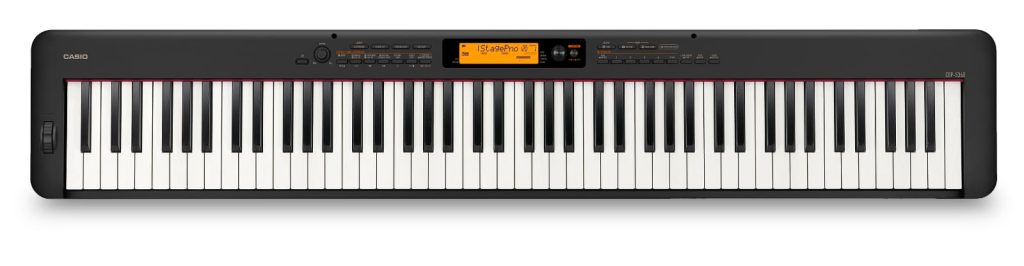
Casio CDP-S360 with Scaled Hammer Action Keyboard II (Image Source: Casio)
(Image Source: Casio)
ADVERTISEMENT

The Casio CDP-S360 is the most feature-rich model in the Compact Digital Piano series, offering a wide range of advanced functions. In addition to an extensive sound library, it includes auto accompaniment, player/recorder capabilities, and more. As an entry-level portable piano that packs a surprising punch, it is well worth a closer look.

ADVERTISEMENT
ADVERTISEMENT

Built-In Arranger

In some regions, such as Germany, the flagship CDP-S360 is actually more affordable than the mid-range CDP-S160. This price difference is due to the fact that Casio only sells the CDP-S160 as part of the CDP-S160SET bundle, which includes the CS-470P stand.

For the CDP-S360, the stand is sold separately. It’s a worthwhile investment, as the sturdy stand includes a built-in triple pedal unit, transforming the portable piano into a compact digital upright piano.

A compact design with a stylish look: Casio CDP-S360. (Image Source: Casio)

The Casio CDP Series

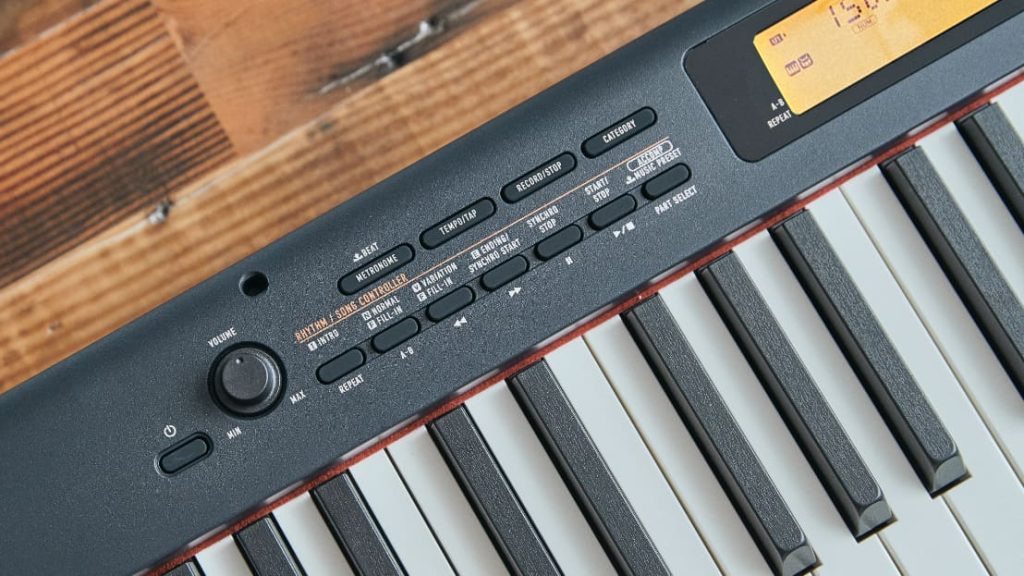
Unlike its siblings, the CDP-S110 and CDP-S160, the CDP-S360 comes in black only. It’s also the only model in Casio’s compact lineup to feature a more extensive control panel with numerous buttons and an LCD. Despite these additions and slightly larger built-in speakers, the CDP-S360 maintains the same slim, portable format as the other two CDP models.

The standout feature of the CDP-S360 is its built-in arranger, which includes 200 accompaniment styles (rhythms). In this respect, it functions similarly to Casio’s portable home keyboards, which are aimed at home entertainers. This also explains the extensive sound library: With 700 tones, it offers far more than a typical entry-level digital piano.

Piano Qualities

The Casio CDP-S360 is the successor to the CDP-S350 and improves on its predecessor in three key areas: a new concert grand piano sample provides better sound quality, while the upgraded built-in speaker system enhances the listening experience. In addition, the polyphony has been doubled to 128 voices—a clear advantage when using auto accompaniment or playing along with MIDI songs.

We’re already familiar with the well-balanced 88-key keyboard with scaled hammer action and ebony/ivory textured finish from the other models in the CDP series. These playing characteristics noticeably enhance the piano sound of the Casio CDP-S360, which responds expressively to touch. Compared to the more affordable CDP models, the acoustic piano sound here is broader and more refined—at least, that was my impression. This is probably due in part to the built-in 8-watt stereo speaker system, which delivers a clear sound. There’s no dedicated brilliance control, but the built-in speaker system doesn’t exaggerate the bass anyway.

The CDP-S360 also has a headphone output for external amplification, which is ideal for making grand piano sounds even more resonant. For home use, the optional CS-470P stand is a perfect match, with a sturdy, integrated triple-pedal unit. For rehearsal or stage use, Casio also offers the portable SP-34, a compatible triple pedal.

Sounds, Sounds, Sounds

What makes the CDP-S360 stand out in its price range isn’t just the sheer number of sounds. Like the higher-end PX-S3100 in the Privia series, Casio’s latest CDP offers a remarkably versatile palette of tones in all the major categories: acoustic and electric pianos, strings, choirs, synth pads, organs, and classic keyboard sounds.

In addition to standard reverb and chorus, many of these tones feature a dedicated DSP effect that adds serious character: from wah-wah, flanger, and phaser on the Fender Rhodes and Wurlitzer sounds to the rotary speaker and overdrive effects that bring the Hammond-style organs to life. Overall, the sound quality across all categories is surprisingly strong for this price point.

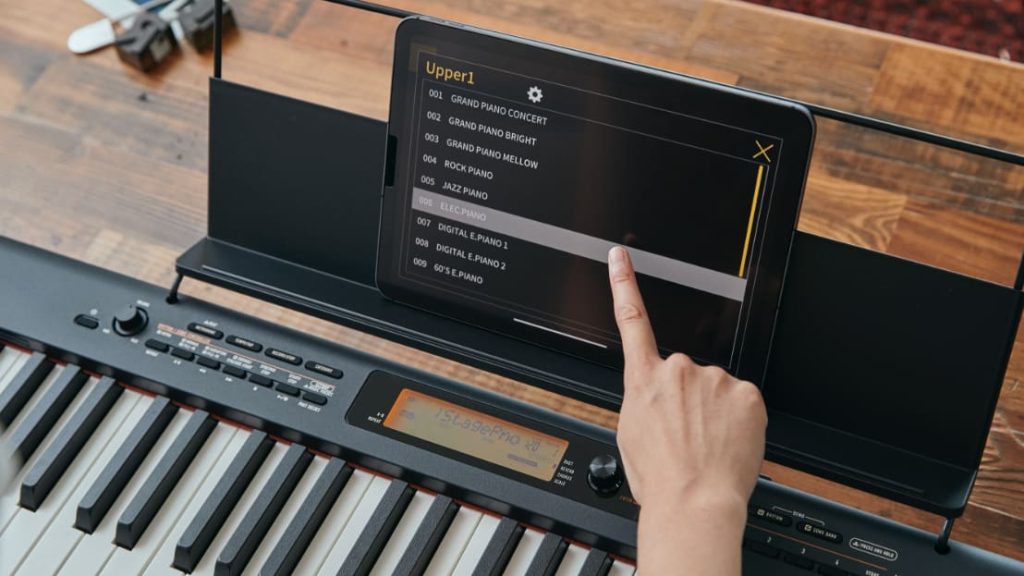
Given the large number of sounds, the free app (Casio Music Space, Chordana Play) makes using the piano much more intuitive. (Image Source: Casio)

Split, Layer, Arranger, MIDI

The Split and Layer functions can be used simultaneously, allowing sound configurations with up to three parts, with the split point freely assignable. One drawback: Casio didn’t include individual volume controls for each part. However, the CDP-S360 distinguishes between the keyboard, auto accompaniment, and song playback sections, each of which has a global volume control.

Of course, everything needed for the built-in arranger is on board: drums, basses, and guitars of all kinds, along with solo brass, synth, and percussion sounds. Depending on regional preferences, the ethnic sound section might come across as somewhat extensive. As for General MIDI compatibility, Casio has kept it to a minimum with 128 essential GM sounds, leaving room for more useful sound categories.

Let Me Entertain You!

The Casio CDP-S360 includes all the essential controls for its auto accompaniment function, similar to what you’ll find on Casio’s CT-X and WK portable keyboards. Automatic accompaniments in pop, jazz, Latin, dance, and world styles respond dynamically to your playing and adjust harmonically in real time. You can even load additional Casio rhythms via USB, with ten user memory slots available.

A total of 310 Music Presets with Sound Style Presets offer ready-made sound and rhythm setups, often including typical chord progressions for each genre. A fantastic tool for practice, improvisation, and creative inspiration!

…Practice and Arrange

The CDP-S360 comes with 152 built-in practice songs, including numerous piano pieces and etudes. You can practice the left and right-hand parts separately. You can also play MIDI or audio files directly from a USB stick through the piano’s speakers. For recording, the CDP-S360 offers a main track and five overdub tracks for MIDI, even when auto accompaniment is active.

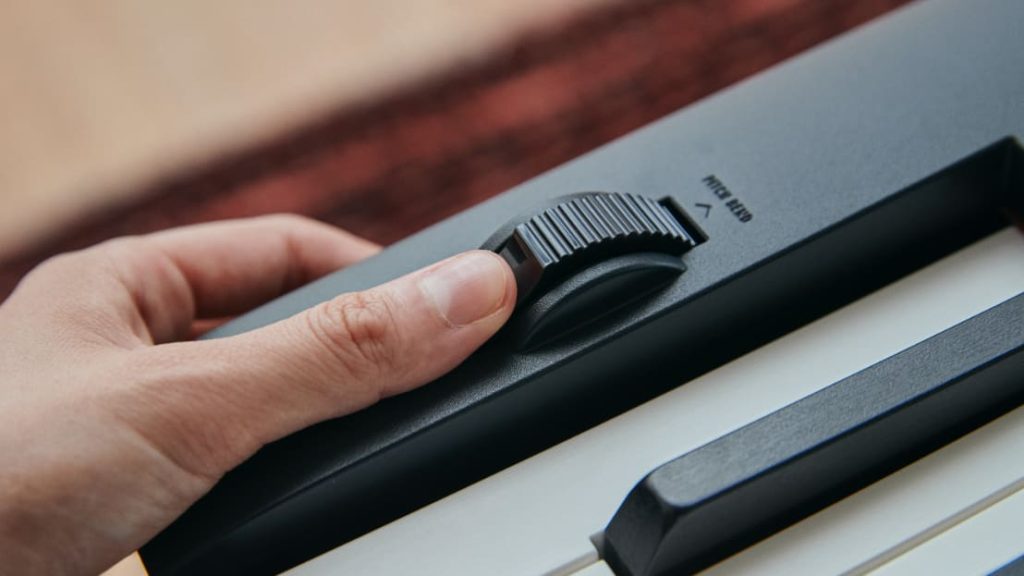
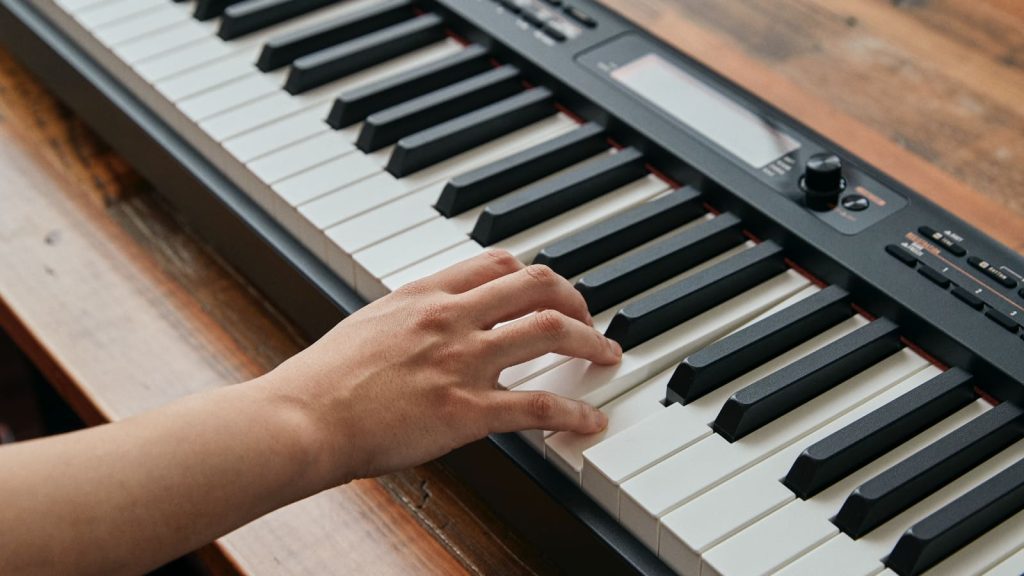
While not essential for piano playing, the pitch bend controller is an important expressive tool when playing synthesizer sounds. (Image Source: Casio)

Control Panel and App Integration

While the CDP-S360 is easy to use thanks to its streamlined control panel, it becomes even more enjoyable when paired with the Casio Music Space app. The intuitive visual support of the Piano Remote Controller menu makes setting up sound combinations even more convenient. The app also provides access to the internal practice pieces and their playback settings, including an option to display the sheet music. A Music Player feature allows you to play audio files stored on your connected mobile device.

Bluetooth Optionally Available

For a wireless connection to the app, we recommend the optional WU-BT10 Bluetooth adapter (approx. $68/£60/€70). It allows both MIDI and audio transmission to your tablet or smartphone. A wired connection via USB is also possible but requires a Camera Connection Kit for iOS devices or an OTG adapter for Android.

Casio CDP-S360 in Comparison

CDP-S360 vs. CDP-S160SET: Weighing in at just under eleven kilograms, the CDP-S360 is ideal for players looking for a highly portable piano that also offers an integrated arranger and MIDI playback capabilities. It’s especially well-suited for band use thanks to its broad and versatile sound selection. For home use, the CDP-S160 is an excellent choice. It comes with just ten essential sounds but includes the CS-470P stand with a triple pedal unit as part of the SET Package, an optional add-on for the S360. The CDP-S160 is also available in a red finish.

CDP-S360 vs. Privia PX-S3100: Technically speaking, the CDP-S360 is a streamlined version of Casio’s PX-S3100. While the comparison to the elegant Privia model, which costs significantly more, may not be obvious, the two instruments are nearly identical in terms of sound engine, rhythms, and features. Where the PX-S3100 comes out ahead is in several key areas: it offers a main piano sound with slightly longer samples, higher polyphony, more effects and registration memory, a slightly more refined keyboard action, larger built-in speakers, and dedicated line outputs. While these improvements are certainly worthwhile, the CDP-S360 will more than meet the needs of many players. It’s definitely worth comparing the two to see which one best suits your needs.

Conclusion: A Lot for a Little!

The CDP-S360 is simply fun to play. Its solid piano credentials, including convincing sound and a responsive keyboard, are complemented by a wide range of mostly very usable tones, easy-to-use split and layer functions, a decent number of registration memories, and 128-note polyphony.

As the most fully-featured model in the CDP line, it’s a great choice for beginners looking for a compact arranger piano. And with the optional CS-470P stand, it can easily be transformed into a stylish home piano. Casio offers excellent value for money, with noticeable improvements in sound and polyphony over its predecessor, all packed into a slim, portable design.

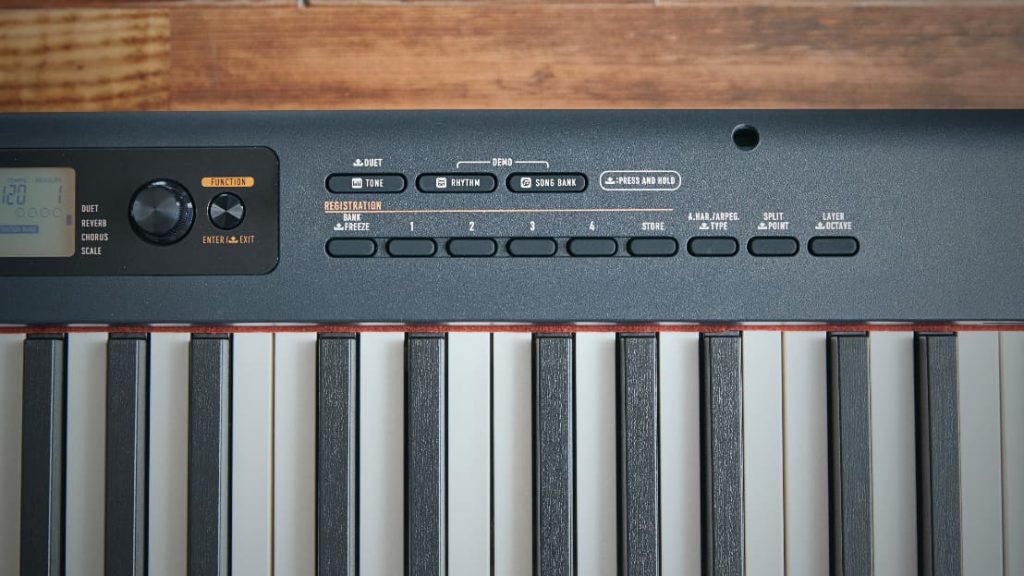
CDP-S360 Top View (Image Source: Casio)

Casio CDP-S360 – Overview

Release date: February 2022
Keyboard: 88 keys, Smart Scaled Hammer Action Keyboard II, 2-sensor system
Polyphony: 128 voices
Special features: Built-in arranger, arpeggiator, registration memory, optional CS-470P stand
Included accessories: AC adapter, music rest, footswitch
Piano app: Casio Music Space (free for Android/iOS)
Manufacturer/Distributor: Casio

Pros and Cons

  • Great value for money
  • Versatile accompaniment feature
  • Wide selection of sounds
  • Simple foot switch as a sustain pedal

Henrik Bruns

Casio offers excellent value with this slim digital piano, which features improved sound quality and increased polyphony over its predecessor.

CDP-S360 :   469,00 €

TO THE OFFER

CS-470 Stand :   169,00 €

TO THE OFFER

SP-34 Sustain Pedal Unit :   69,00 €

TO THE OFFER

WU-BT10 :   70,00 €

TO THE OFFER

CDP-S360 :   469,00 €

TO THE OFFER

CS-470 Stand :   169,00 €

TO THE OFFER

SP-34 Sustain Pedal Unit :   69,00 €

TO THE OFFER

WU-BT10 :   70,00 €

TO THE OFFER
ADVERTISEMENT

ADVERTISEMENT

Related Articles

01.11.2026 · Buy Yamaha Digital Piano: The Best Models Reviewed

With a Yamaha digital piano, you get a lot of performance for your money. The latest releases: Entry-level models Yamaha P-145 and P-225.

30.10.2026 · Learn Velocity Sensitivity on Digital Pianos: Play Expressively!

Wie beim akustischen Klavier gehört das Spielen mit Anschlagdynamik beim Digitalpiano zum Grundprinzip. Selbst Anfänger-Pianos sind anschlagdynamisch.

29.10.2026 · Learn How to Read and Play Piano Chords - A Simple Guide

For beginners: Learn to read and play piano chords. Forget boring theory - this method will teach you piano chords super easy and fast.

26.10.2026 · Buy Gifts for Musicians: Is a Piano the Only Option?

It doesn't have to be a grand piano—there are plenty of small and inexpensive gifts for musicians to choose from.

17.08.2026 · Play Vintage Electric Pianos: Wersi Pianostar T2000

The Wersi Pianostar T2000 is one of the most unconventional vintage electric pianos around. It remains a hidden gem for musicians who appreciate unique instruments.

14.07.2026 · Play Vintage Keyboards: Kawai EP-608 – Electric Piano

The Kawai EP-608 is now considered a rare vintage instrument. It features electroacoustic tone generation and a distinctive "space-age" design.

12.04.2026 · Play Vintage Electric Piano: Wurlitzer 200A

The Wurlitzer 200A, introduced in 1974, is one of the most iconic vintage electric pianos. It is now a sought-after classic that often commands high prices.

20.02.2026 · Play Piano Sound: From Sound Ideal to Detailed Sound

It's not just string vibration making up the piano sound: A digital piano plays more vividly when also reproducing sound details.

19.02.2026 · Play Duplex Scale: Enhancing Overtones with String Resonance

Duplex scale refers to the string sections between the bridge and frame. It enriches the piano's overtones by creating string resonance.

23.01.2026 · Play Stage Setup: Great Stage Piano Sound for Live Performances

No matter how big or small your stage setup is, you need it to work reliably. Learn here how to properly prepare for live performances.

20.01.2026 · Play Piano Day - March 29, 2026

March 29 is Piano Day! Get ready for an international celebration with many piano-related events as well as concerts and performances.

25.12.2025 · Learn What Are Piano Pedals For?

Three piano pedals - sustain, soft, and sostenuto - are standard. However, not every acoustic or digital piano offers the same functionality.