ADVERTISEMENT

Digital Piano Sampling: Many Samples Make the Sound

  • A complex network of individually sampled recordings makes up the sound of modern digital and especially software pianos.
  • Without multisampling, it would be impossible to reproduce the range, dynamics, and detail of a real piano.
  • A sophisticated scripting technique dynamically combines the individual recordings to create a playable sound.
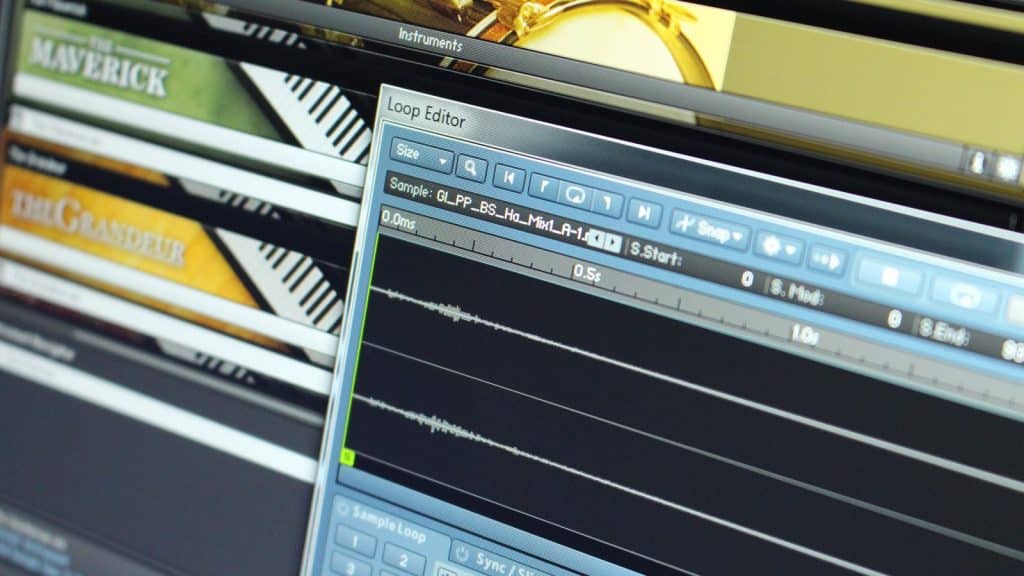
piano-sampling-ni-kontakt
(Photo: Jörg Sunderkötter)
ADVERTISEMENT

Most digital pianos use sampling technology. Since its introduction in the 1980s, it has evolved to perfectly simulate the dynamic sound and playing characteristics of an acoustic piano. With sampling technology, the piano sound is composed of a large number of individual samples, a technique known as multisampling.

ADVERTISEMENT
ADVERTISEMENT

The piano sound of today’s digital and especially software pianos is a vast network of individually sampled recordings. A sophisticated scripting technique combines these individual recordings dynamically to create a playable sound.

Without this type of digital piano sampling, it would be impossible to reproduce the full pitch range of an acoustic piano, as well as its immense dynamic range and incredibly detailed, multi-layered sound.

Therefore, multisampling is the only way to get around the technical constraints of sampling technology. High-quality piano sounds actually sample every semitone, also known as note-by-note sampling. But there is much, much more to it than that.

No Piano Sound Without Multisampling?

A sample sounds realistic, but it is only a snapshot—like a photo. In this sense, a vivid and expressive piano sound would be like a color movie in 3D, meaning you’d need a lot of snapshots to build up a dynamic picture. Single samples are problematic when transposed because they distort the harmonic relationships between the different frequencies (1) as well as the sound progression over time (2).

  1. Formant Shifting: When you transpose a single sample, you not only shift the pitch but also linearly shift the formants (frequency constants) that make up the sound. Subjectively, you would perceive this as a more or less pronounced distortion of the original sound. The further you transpose a sample from its original pitch, the more you will notice the sound changing. For example, a single piano sample will sound increasingly nasal and wiry as you move it up in pitch.
  2. Variation in Sample Length: In addition to distortions in the frequency spectrum, transposing also affects the length of the recording. For example, playing back the recording quickly shrinks it, and playing it back slowly stretches it. Hence, distortion also affects the timing, which is especially important to avoid with a percussive sound like a piano.
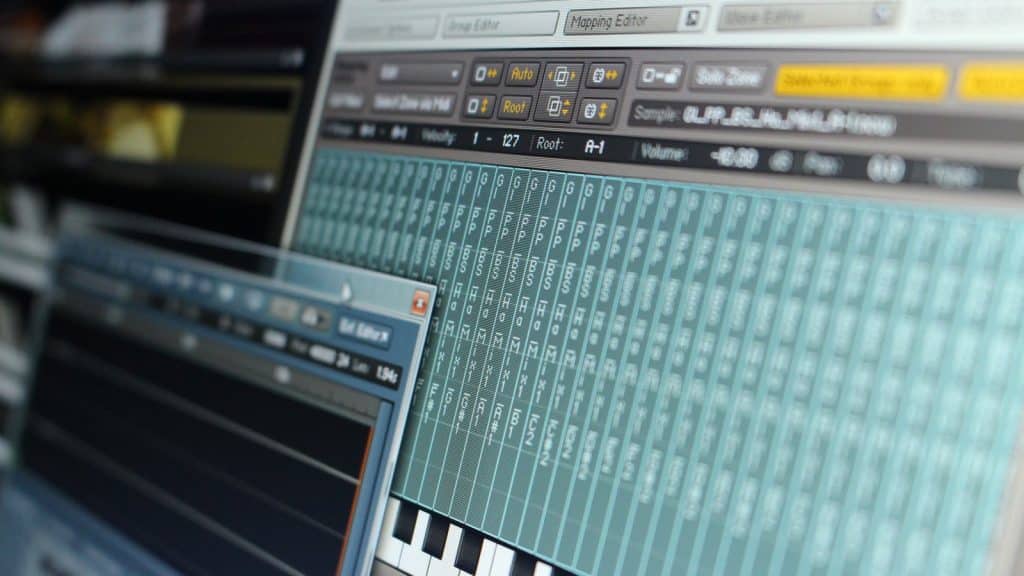
multi-sampling-mapping-editor
High-quality piano sounds are sampled note by note to avoid the transposition effect of sampling technology. To create a sound that can be played over the full range, the individual recordings are then combined in the Mapping Editor.(Photo: Jörg Sunderkötter)

The more individual samples you use, the less transposition effect will occur. With today’s high-priced digital pianos, you can even assume that every single note of the original instrument is represented by a separate sample. Next to the horizontal arrangement of the individual samples, a layer of several multisamples adds a vertical dimension to reproduce the dynamic touch behavior of the piano.

Samples and Dynamics: Velocity Shift

In addition, a single sample can only represent a limited amount of sound dynamics, and it does not take into account the dramatic changes in sound that a grand piano produces. For this reason, the progression from pianissimo to fortissimo is divided into several velocity sample layers. Each note is recorded multiple times at different velocities.

It's the result that counts: An authentic playing feel thanks to well-implemented touch sensitivity.

The more velocity layers a piano sound has, the more likely it is to sound smooth when played at different velocities. In other words, the higher the resolution, the more authentic the digital piano sound. For amateurs and beginners, these connections are particularly difficult to understand. Especially in the entry-level class—and above all in the low-budget class—there are instruments with a piano sound that has to make do with very few velocity layers. This results in abrupt timbre changes when playing with velocity, which is especially unfavorable for beginners on digital pianos. After all, how are you supposed to get a feel for the dynamic piano touch this way?

Velocity Layers Without Transitions

The sounds of today’s digital pianos leave little room for criticism, as the latest technologies ensure smooth transitions between velocity layers. Each manufacturer has a unique approach to the precise interpolation between the different overtones of the velocity layers. In general, they use complex filters and physical modeling. For the player, however, this doesn’t really matter, because it’s the result that counts: An authentic playing feel thanks to well-implemented touch sensitivity.

Lively Sounds Through Round-Robin

In addition to the two factors of transposition and dynamics, there is another problem with piano sampling: As described at the beginning, a sample is like a photo: a snapshot. And if you play it over and over again—for example when repeating a note—our ears very quickly recognize this sample as an identical sound. With an acoustic piano, however, each time you play the same note it sounds slightly different. To simulate this behavior in piano sampling, a technique called round-robin is used. The term comes from computer science and describes a rotary process. In piano sampling, this means that there are several samples of each individual note and velocity layer. The sound generator plays these in turn each time you hit the same key.

A Lot of Memory…

The more individual samples, the fewer transposition effects. However, this also means that digital instrument manufacturers must plan for higher memory requirements. In the 1990s, ROM was used exclusively for permanent storage, making this an important consideration when designing a digital piano. Today, memory is nowhere near as expensive as it was then, and powerful streaming technology is becoming increasingly popular. This technology makes it easy to create gigabyte-sized sample instruments.

From Sampling to Sound

Extensively sampled pianos require a certain amount of loading time before they are fully playable. After all, today’s sampled instruments consist of thousands of samples that require many gigabytes of memory. Here you can use a simple formula: The more realistic the sounds, the more samples the piano needs to load.

Piano sampling requires a lot of knowledge about the instrument itself, recording technology, and engineering. It is an extremely complex process where thousands of recordings have to be put together to create the right sound. Not to mention the post-production: it takes months from cutting and optimizing the samples to mastering the final piano sound.

Piano Sampling as an Online Project: Pianobook

The Pianobook website is a unique online project dedicated to piano sampling, with a focus on atmospheric and individual sounds. Sound designers, producers, and film score composers publish their piano samples here. It’s worth having a look around because you’ll find some real sound gems here.

Pianobook is a community of musicians who above all share a love for the piano, sound, and good instruments. Not only can you download free piano sounds, but you can also upload your own.

Sample and Share Your Piano!

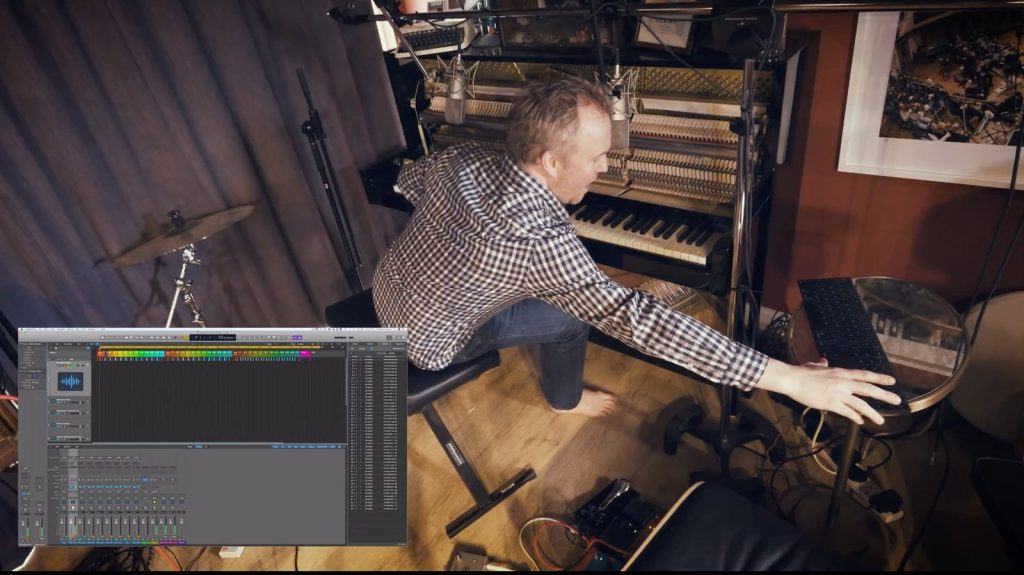
None other than Christian Henson, a sound design expert also known as the co-founder of Spitfire Audio, curates the Pianobook library. Through the “Recording Your Piano” project, he aims to encourage as many people as possible to record and share the sound of their own pianos. Further, he even provides valuable practical tips and a sample template for Apple Logic Pro to make your work easier.

Get the sample template and more information here: Recording Your Piano.

Piano Book - Christian Henson Explains Piano Sampling
Piano Sampling at Home! Christian Henson shows how to record your own piano using the MVP prototype.
ADVERTISEMENT

Related Articles

24.11.2026 · Buy Buying a Used Digital Piano: Pay Attention to the Details!

Buying a used digital piano—even with the low prices of entry-level pianos, you can still find bargains. But pay attention to the details!

23.11.2026 · Buy Digital Piano Buyer's Guide: A Quick Overview

Home piano, stage piano, hybrid piano or ensemble piano with arranger? This digital piano buyer's guide will give you an insight.

21.11.2026 · Buy Buying a Used Piano: What Should You Look Out For?

Are you thinking of buying a used piano? There are certainly plenty of options. What about an old treasure with beautiful embellishments, sconces, and vintage charm? While it has its own unique charm and character, is it suitable for playing?

15.11.2026 · Buy Vintage Piano VST: Piano Sounds with Vintage Charm

Who wouldn't want to play the grand piano on which Glenn Gould, Bill Evans, and Keith Jarrett recorded their legendary albums? With a vintage piano VST, that dream can become a reality.

12.11.2026 · Buy Casio CDP-S Series – Portable Pianos for Beginners

The Casio CDP-S series is perfect for those seeking a budget-friendly digital piano. Here you get the best keyboard available for under $500.

09.11.2026 · Buy Free Piano VSTs: The Best Software Pianos

Free piano VSTs let you play the piano for free. But which downloads are worth it? Our top VST tips: Hammersmith Free, Sampletank, LABS and more.

08.11.2026 · Buy Casio Privia Series: PX-S5000, PX-S6000 & PX-S7000

Stylish design, smart operation, plenty of great piano sounds, and many features: The new Casio Privia PX-S7000, PX-S6000 & PX-S5000.

07.11.2026 · Buy Free Sampler VST – The Best Free Software Samplers

Free software samplers: Here are our top eight recommendations for the best free sampler VST, complete with features, samples, downloads.

01.11.2026 · Buy Yamaha Digital Piano: The Best Models Reviewed

With a Yamaha digital piano, you get a lot of performance for your money. The latest releases: Entry-level models Yamaha P-145 and P-225.

26.10.2026 · Buy Gifts for Musicians: Is a Piano the Only Option?

It doesn't have to be a grand piano—there are plenty of small and inexpensive gifts for musicians to choose from.

20.09.2025 · Buy Yamaha CLP-800 Series – Reviewing Clavinova Digital Pianos

In fall 2024, Yamaha announced the new CLP-800 series. The key refinements concern the sound generation and playback systems.

01.09.2025 · Buy Buyer’s Guide: A Portable Piano Under $2,000

With a scaled-down cabinet and speaker system, a portable piano under $2,000 offers a great keyboard and sound engine.